
parenting
Welcome to TaskTroll.org — Real Talk on Chores, Allowance, and Family Routines
We're a small editorial team writing honestly about what actually works for family chores, allowance, and household routines — and what doesn't.
May 14, 2026
TaskTroll.org Editorial Library
51 research-backed guides, templates, and age-by-age checklists for busy parents, co-parents, and neurodivergent households.
Age-banded chore charts, rotating systems, and habits for ages 2–17.
Spend/save/give jars, kids debit cards, commission vs flat allowance.
Court-admissible messaging, custody schedules, and two-home logistics.
Fever logs, ADHD medication tracking, daycare sick policies, and checklists.
First side hustles, babysitting, lawn care, and real money skills for kids.
Practical systems for running a calm, organized household.
We're a small editorial team writing honestly about what actually works for family chores, allowance, and household routines — and what doesn't.

Age-by-age chore chart for 2026 built on what kids can actually do — not aspirational lists. Real expectations from toddler to teen, with the research.

An honest, empathetic guide to co-parenting logistics in 2026 — from low-conflict everyday coordination to high-conflict court-monitored cases. Published.

A practical system for tracking kid medications, fevers, illness patterns, and vaccination records — what to log, what to skip, and how to hand a useful.
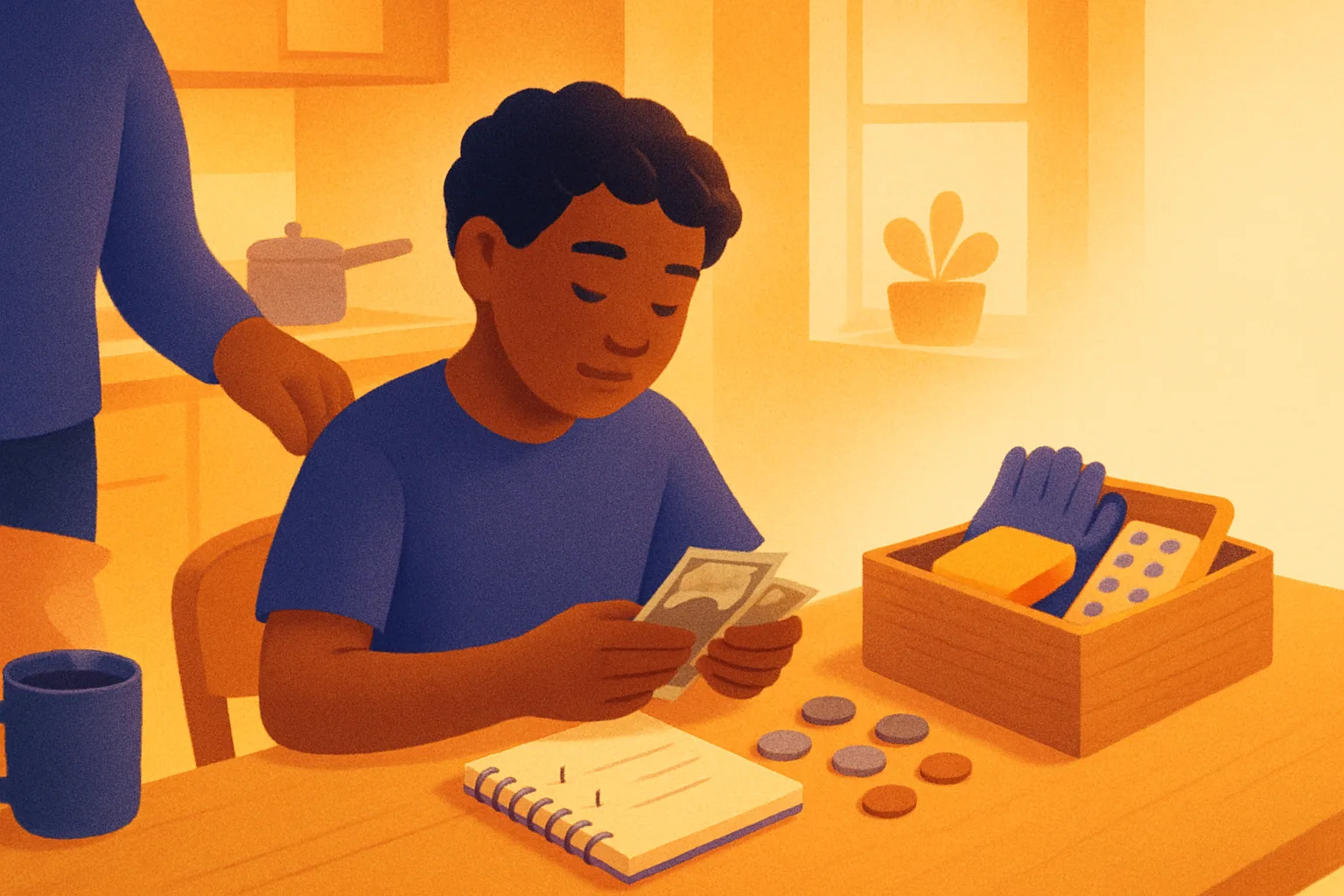
Realistic side-hustle paths for kids 8-17 — what makes money, what doesn't, plus the legal, tax, and banking side most articles skip. From a family-app team.
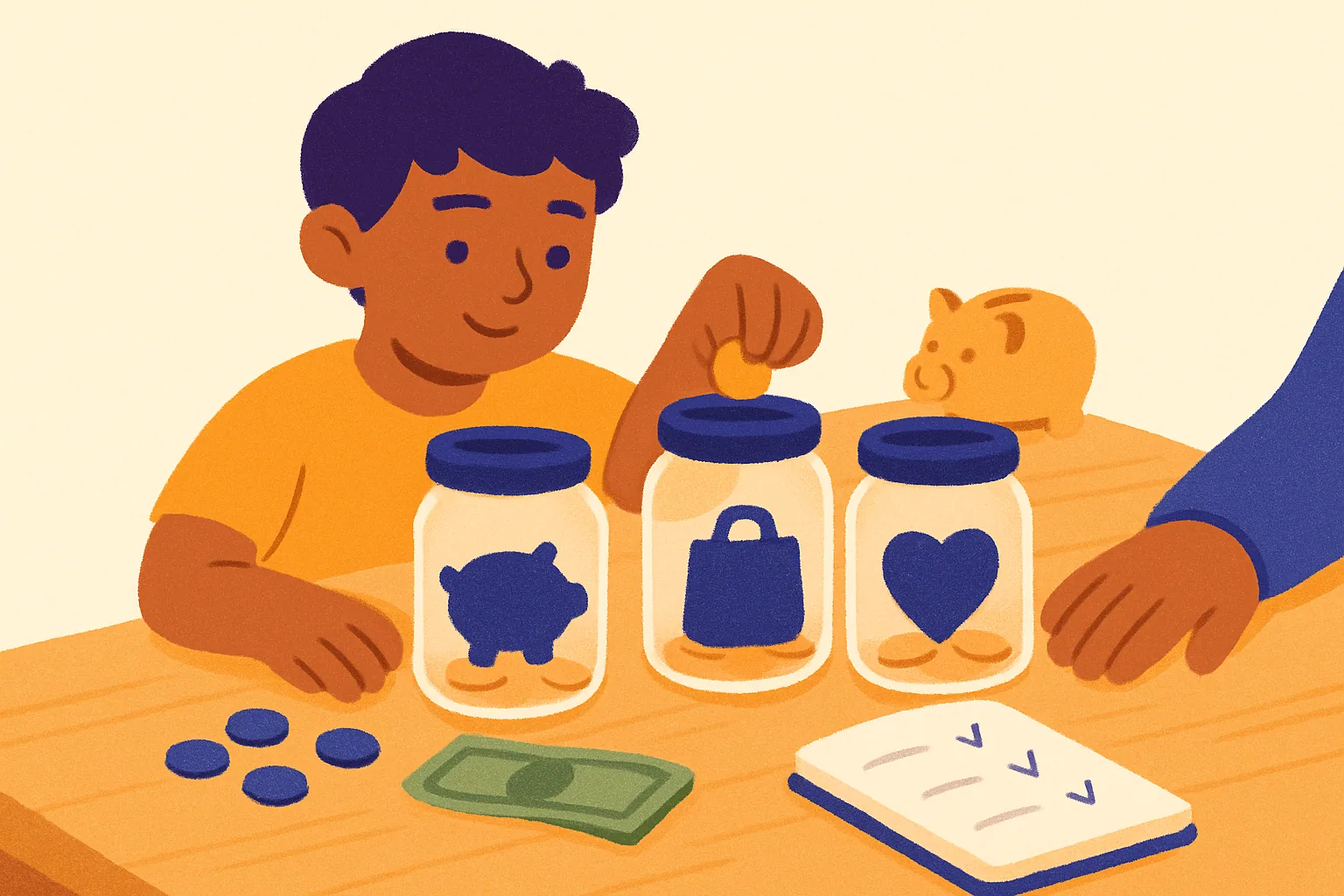
An age-by-age guide to raising financially competent kids — what the research actually supports, what doesn't, and the household systems that hold up in.

Tracking ADHD meds well makes the difference between a productive titration phase and a frustrating one. Here's the practical tracking framework — for.
Flat allowance, per-chore commission, or monthly salary — three models with different tradeoffs. Here's what each one teaches a kid, and how to pick the.

Babysitting is the closest thing to a real business most teens will run. Here's the training that actually matters, what to charge, the safety setup, and.

Three categories of solution, real tradeoffs, no affiliate links. Honest comparison of GoHenry, Greenlight, and family-app built-in cards from someone who.

Grandma's $50 birthday card can undo 6 months of savings habits in one weekend. Here's the framework for handling gift money without making it weird.
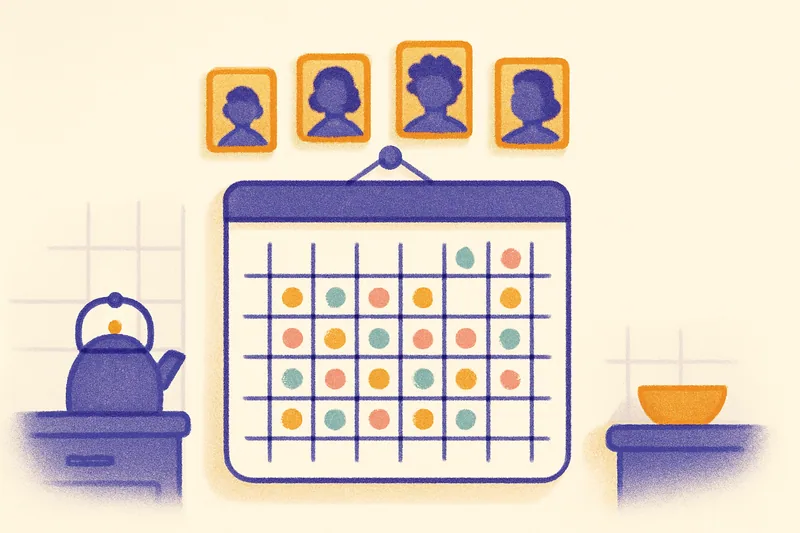
Blended families can have 4 adults, 6 kids, 3 households, and overlapping custody schedules. Here's the calendar architecture that actually holds up.

Tweens have almost-adult capacity but executive function is still maturing. Here's what to expect, what to drop, and how to move from chart to agreement.

Realistic, age-appropriate chores for 3 and 4 year olds — what works in real households, what's developmentally backed, and what just isn't worth the fight.

Realistic chore lists for kids ages 5-7, plus the systems that actually make chores stick at the age when kids most want to be useful.

What 8-10 year olds can really do, what safety lines hold (no, not a push mower yet), and how to shift from chore chart to chore ownership.
By high school, chores stop being household management and become preparation for independent adult life. Here's the realistic list and how to make it land.

Twelve real co-parenting messages — schedule changes, money requests, medical emergencies, the new partner conversation — with templates that minimize.

Teen kids increasingly want to talk directly to each parent and run their own schedule. Here's how to evolve from parent-mediated communication to.

Plain-English guide to court-admissible co-parenting messaging — what 'tamper-evident' actually means, which apps are widely accepted by family courts.
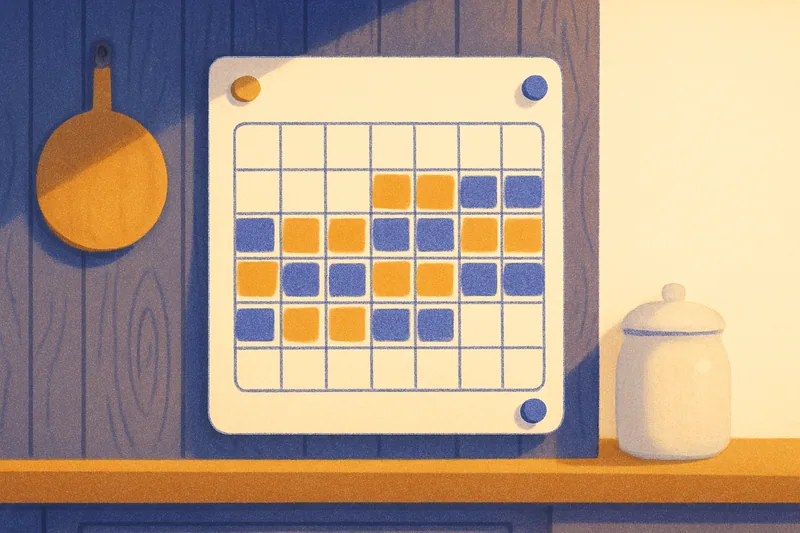
Seven custody schedule templates — 2-2-3, 2-2-5-5, alternating weeks, 70/30, 60/40, 80/20, every weekend — with the tradeoffs each makes between.

Daycares have specific rules for when a kid can return — usually 24 hours fever-free without medication. Here's the typical policy framework plus how to.

A simple fever-tracking template plus the AAP guidelines for when to actually call the doctor — so your 2am call goes smoothly instead of from memory.
Honest 2026 allowance benchmarks by age, plus the structural question most parents skip: should you pay per chore at all, or split allowance from chores.

Pricing is the hardest part of any kid business. Five frameworks (cost-plus, competitor-match, time-based, value-based, charm-tax) with real number.

The reason chores aren't getting done isn't usually the kid — it's the system. Six structural fixes that work, plus the three habits to drop.

From medical bills to soccer cleats, here's how co-parents actually split kid expenses — by category, by ratio, with reimbursement timelines that don't.

Lectures don't build savers. Structure does. Five household systems that actually teach kids to save money — and why none of them are 'sit down for a.
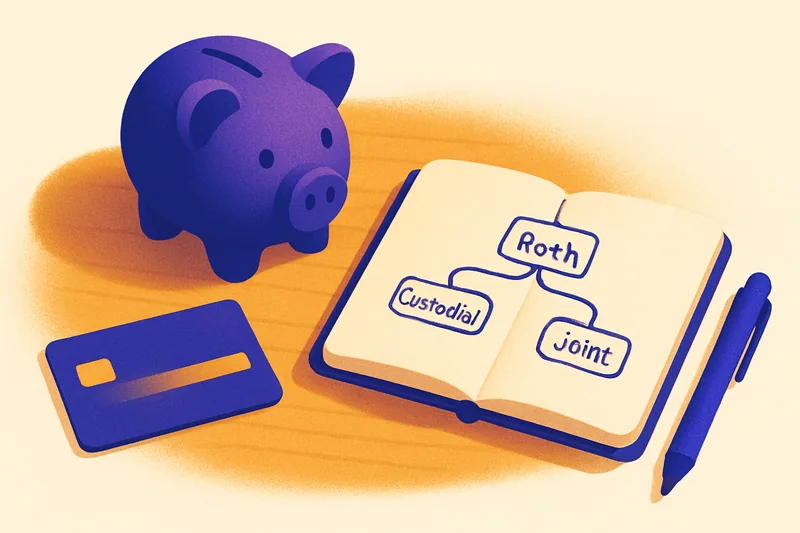
When a kid is earning real money, where to put it matters. Four account types compared honestly — custodial UTMA, joint checking, kid debit card, and the.

Honest playbook for a kid lemonade stand that actually nets money — the cost math, the (very real) local permit issue, location strategy, and the lessons.

Real banks pay almost nothing on kids' savings. A 'family bank' interest rate of 5–10% per month is the most-recommended hack — and the math gets.

Six medication-reminder apps compared honestly — Medisafe, MyTherapy, Round Health, family-app built-ins. From a family-app team with no affiliate links.

Three co-parenting apps, three different targets. Honest comparison of OurFamilyWizard, TalkingParents, and 2houses — from a family-app team with no.
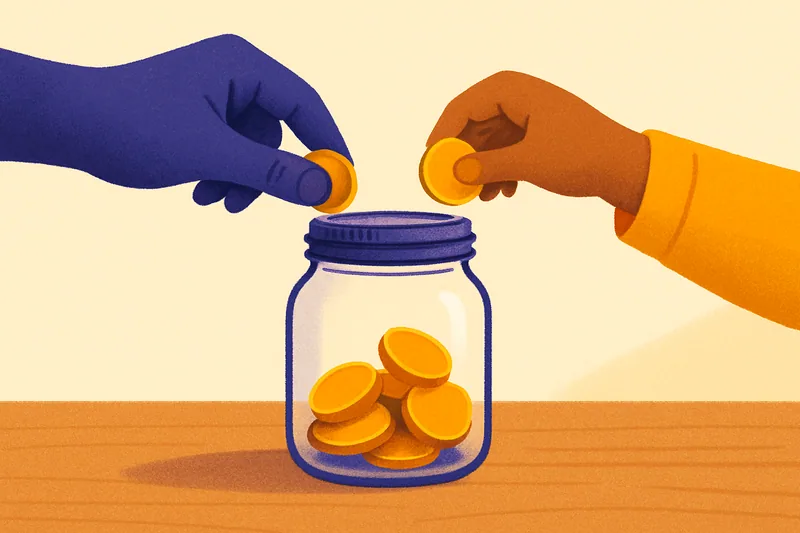
1:1 parent-matching looks like free motivation. Here's the actual math, the research that says it might backfire, and the framework for when it works.

Paper, app, or sticker chart? Honest tradeoffs by age and household, from the team that builds a chore app and will still tell you when paper wins.

Most kid-targeted 'affiliate' and MLM-adjacent programs are predatory. A few legitimate referral options exist. Honest framework for telling them apart.
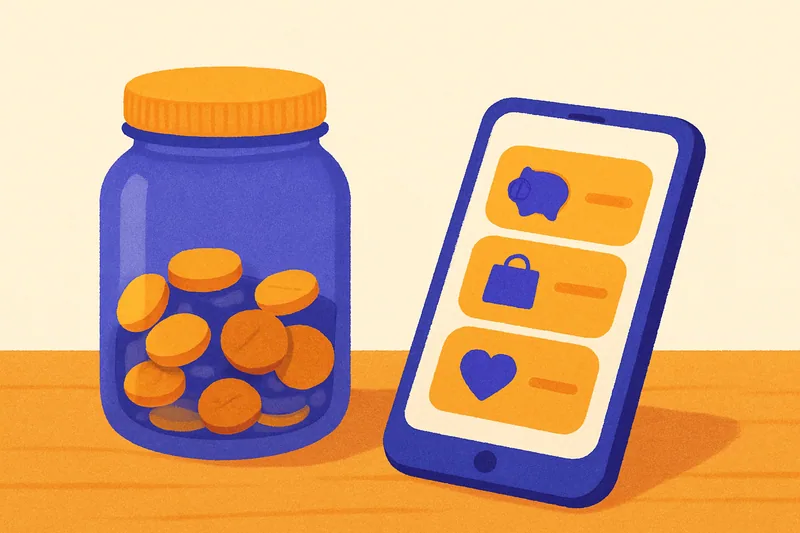
The three-jar system has been the default kids-and-money advice for 20 years. Here's an honest take on whether it still works when no one carries cash.
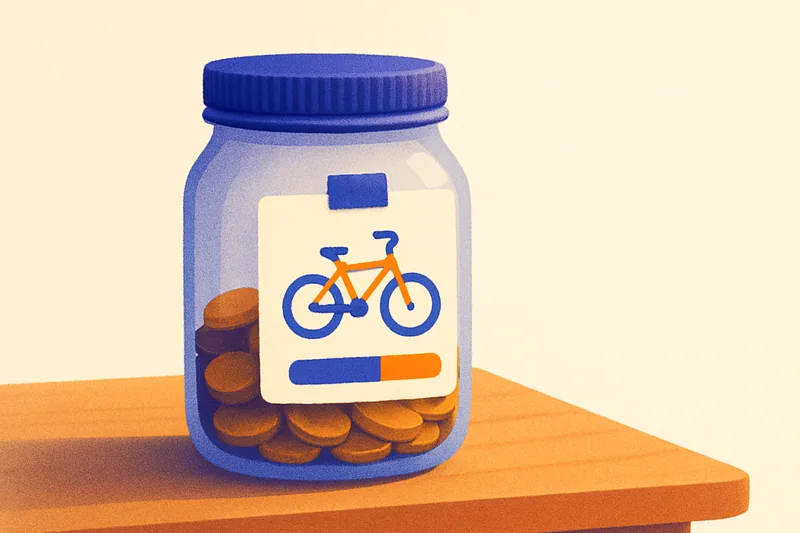
Most kid savings goals collapse in week two. Here's the framework — goal selection, time horizon, friction, and parent-rescue discipline — that actually.

Where the parent-pays line should be at every age, what to make kids buy themselves, and the principle that keeps the lines from being arbitrary.

20 honest side-hustle ideas for kids 8-12 — what makes $10 a week, what makes $100, what to avoid. From a family-app team, no MLM-adjacent picks.

Twelve real side-hustle paths for teens 13-17, with honest hourly earnings, time-to-first-dollar, and the moments that separate a teen who sticks with it.

Practical operational hacks for single-parent households — calendar architecture, meal-planning shortcuts, kid-driven self-management, and the apps that.

Honest framework for how visible a stepparent should be in a co-parenting app or shared calendar — by age of the kid, by tenure of the stepparent, by.

Plain-English overview of how taxes work for kids running side hustles in 2026 — earned income vs unearned, the $400 self-employment threshold, dependency.

A 10-year-old can run a real weekly budget after 4 weekends of structured practice. Here's the exact curriculum, weekend by weekend, with the talking.

A teen's babysitting, lawn-care, or tutoring side-hustle is real resume material — if it's written right. Specific phrasing, what to leave OFF, and how a.

Co-parented kids with prescriptions need a shared medication log that both households actually use. Here's the system that prevents missed doses and.

Four ear infections in a year reads differently to a pediatrician than 'she's been getting sick a lot.' Here's the tracking format that surfaces the.

Pre-verbal and barely-verbal toddlers can't tell you their ear hurts. Here's the observable-behavior framework parents use to translate toddler distress.

School registration, summer camp, college applications, international travel — all want the same vaccination record. Here's where to keep it and the.

Five minutes once a week catches recurring illnesses, medication refill needs, and overdue appointments before they become emergencies. Here's the format.